
Why You Don’t Want To Miss ‘Creatorpreneur’ Jayde I. Powell’s Keynote at the 2026 ASJA Conference

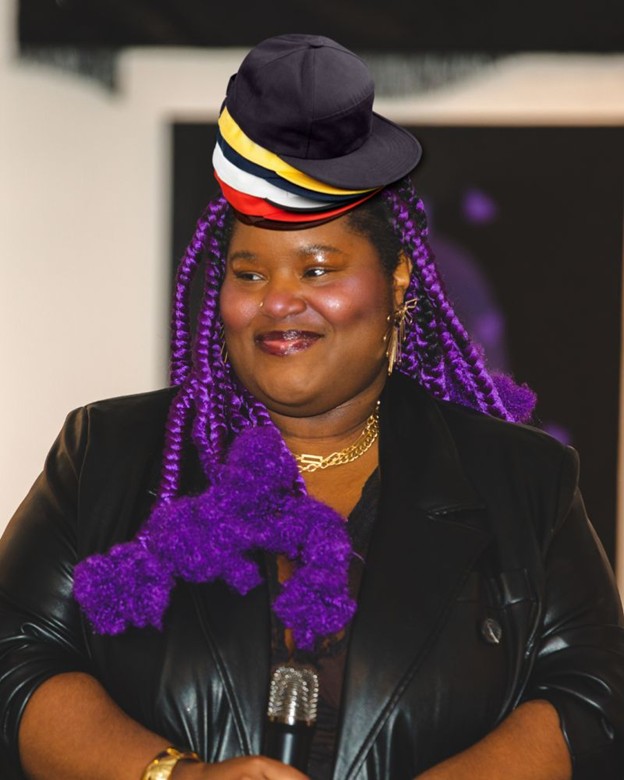
Jayde I. Powell is a social media strategist and creatorpreneur, which means she is a writer who coins new words to define herself, like creatorpreneur.
Powell is the founder and head of creative at the Em Dash Co., a social-first creative agency, and the host of Creator Tea Talk, a creator-economy community. She is also one of three keynote speakers at the 2026 ASJA virtual annual conference, “The Freelancers’ Blueprint — Navigating a Shifting Landscape,” April 20-22. Find out more and register here.
I connected with Powell recently via Zoom to learn more about her writing business and her success using LinkedIn as a revenue generator – if you haven’t seen it, check out the post CNBC.com’s Make It column did on how Powell made $27,000 in less than a year from her LinkedIn side hustle. Powell will talk about that and how to promote yourself and your personal brand in her conference keynote talk. Find out more in our Q&A, which as been edited for length and clarity.
You describe yourself as a creator economy enthusiast. How do you define the creator economy?
I think about all the players and stakeholders first. That’s the creators and influencers who we oftentimes see on social media and beyond, the marketing professionals that work with creators and influencers, and the brand professionals that contract them.
Then when I say “economy,” I literally mean this ecosystem where money is being exchanged, going from the hands of creators and influencers to everyone else that’s involved. The most recent stats are saying that it’s a multi-billion dollar industry now, so it’s definitely growing quickly.
You have been particularly successful on LinkedIn–tell us about that.
LinkedIn has created so many opportunities for creative professionals, especially creators who want to monetize and build their personal brand on the platform. I have seen that firsthand as a freelancer. Growing my presence on LinkedIn has allowed me to attract different types of clients, whether they are agencies or brands. I can confidently say that it’s become the place that I’ve earned the majority of my income for my business. I’m on track this year to make $250,000, and I don’t think that would have happened without LinkedIn.
What is the most common mistake you see writers make on LinkedIn?
When some people post on LinkedIn, they all of a sudden feel like they have to put on this corporate thought leader hat, which I don’t agree with. You can be a professional and showcase your skillset and what you know about your field of work without having to use corporate language. It’s less about being an expert and more about just sharing what you know. I think that approach is a little bit more entertaining and interesting to people that follow you on LinkedIn.
Any other advice for writers who want to up their LinkedIn game?
The terminology is evolving around how we describe ourselves as creative professionals. I understand that if you have been learning a trade over time that you will want to stick to that. But having a more agile approach (for) how I describe my work allows me to evolve with what my customers need.
For example, I’ve always been working in social media marketing–that is my trade at its core. But for a period of time I was calling myself a content marketer because that’s the type of clients that I was attracting. I would just say, ‘Hey, my POV is through the lens of social but yes, I do content marketing.”
Then I was calling myself a digital marketing manager for a long period of time because I have a lot of skills outside of social. Now I’m calling myself a creator and creatorpreneur but sometimes I call myself a freelancer.
So over time, I evolve what that language looks like to make sure that I’m meeting the right people. That’s where my marketing brain comes in.
What can writers expect to take away from your 2026 conference keynote?
I am always trying to push the agenda of owning your own narrative and being your personal brand. That is what I really want to teach other creative professionals because I think there’s so much opportunity for us. I feel like what’s stopping creatives from securing the checks they want is how they position themselves.
So what I really want to showcase is how you build a personal brand and how you capitalize on that personal brand so you can gain new clientele and attract the audiences that you want to.
**
Lola Butcher is a freelance journalist living in Europe but writing for American audiences. Her bylines have appeared in Knowable, Undark, Smithsonian Magazine, Salon, Mother Jones, and many more.