
Meet the Member: Brette Sember on the AI “Bomb” the Decimated Her Business and Tapping Into Her Creative Side to Recover
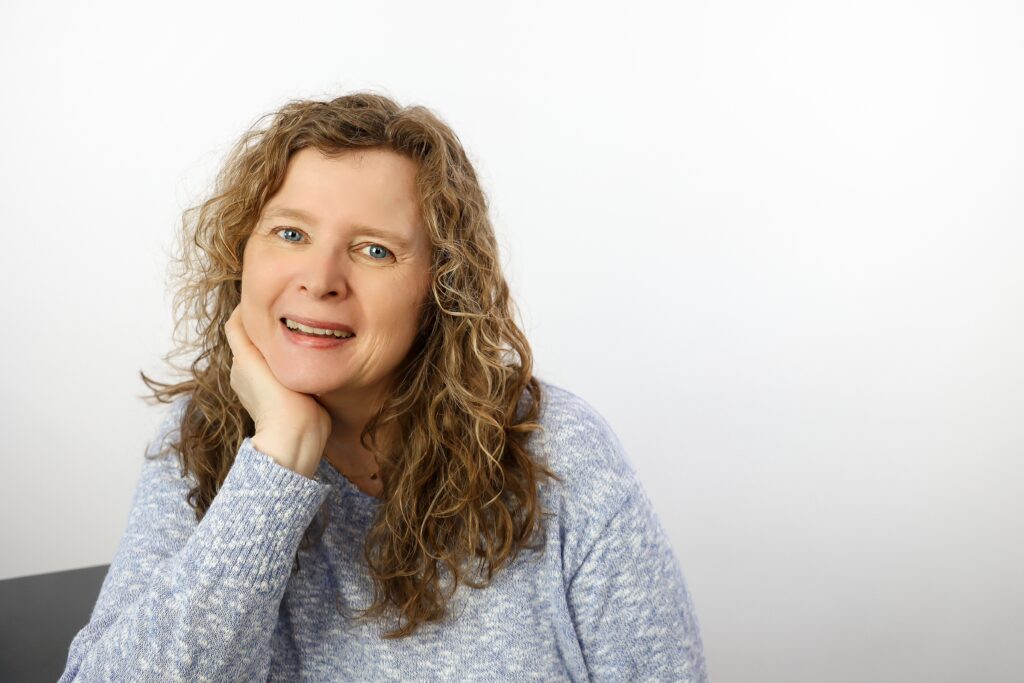
A few years ago, Brette Sember was so busy as a contract business and legal writer and editor she turned work away. Then AI showed up and “decimated” the legal content writing industry.
“It was sudden, and it was terrifying. Every legal content writer and editor I knew was soon out of a job,” recalled Sember, a long-time ASJA member who’s written more than 40 books and edited, coached, or ghostwritten many more.
Sember had a solid book ghostwriting and coaching business to fall back on. But to fill in the gaps in her income and time, she got creative. She learned enough about AI to create an online class explaining it to other writers. She launched a newsletter. She wrote a couple self-published books. She tapped into her love of decor, shopping, and antiques, to start selling vintage products, handmade creations, literary art, junk journals and scrapbook kits, and fun products for readers and writers. See her products on Esty at Ruth & Olive Home and The Book Foundry.
“I never in a million years would have imagined a pivot like this,” she says.
In an email interview, Sember discussed how she got started freelancing, AI’s effect on her business, and how she’s followed her bliss to recover—a path other independent writers might want to follow. Our interview has been edited for length and clarity.
How did you get started as a writer?
I was a lawyer, and I responded to an ad in a law journal from a publisher looking for writers to write state-specific legal how-to books. I forgot all about it and was on maternity leave with my second child when they contacted me. I accepted. Around that time, I sold an essay about choosing to leave my job and stay home with my kids.
Things kind of snowballed from there. I wrote a column for a local parenting magazine, more legal how-to books, and other nonfiction. Then came national publications and even more books in different genres, including children’s, cookbooks, organizing, travel, parenting, pregnancy, etc.
When did you start freelancing and why?
I had a solo practice as a lawyer and have always danced to the beat of my own drum, so building a freelance career was right up my alley. Once I realized I could get paid to write, it was like I found who I really was. I loved the limitless possibilities and the ability to be creative yet practical. I loved the autonomy, and the ability to be home with my kids and to express myself. I am fortunate to be married to someone with a salaried job and health insurance because without that, this is much, much harder to accomplish.
You’ve publicly shared that AI affected your writing and editing business. How exactly?
In 2024, I was a freelance business and legal editor for Forbes Advisor, which was a significant portion of my income. I also freelanced for just about every legal outlet there was – LegalZoom, Willing, FindLaw, Divorce.com, etc.- as well as for legal software companies, legal marketing agencies, and law firms. I was busy enough to turn work away.
At the end of 2024, Forbes shifted to using AI, laid off most of the staff, and stopped using freelancers. Within a few months, every single other legal outlet I had relationships with did the same thing. A bomb went off in that industry and decimated all of us.
Fortunately, I had built a significant business as an editor, book coach, book doctor, and ghostwriter, and that (work) has stayed steady, for which I am grateful. But all my content writing and content editing work was suddenly gone.
Instead of pivoting to a different writing niche, you opted for something completely different – what and why?
I started by learning about AI. If it was taking over my job, I wanted to understand it. I took courses and spent a lot of time working with it. I learned its limitations and benefits. I work with writers who use AI for a proposal or book, and I have become good at taking what they start and turning it into something good. I created an online class about how to use AI as your book proposal coach.
I stepped up my editing and coaching work and the marketing I did for it. I started a Substack for writers. I wrote a couple of self-published books, books I wanted to read: WinterTide: Survive and Thrive in the Year’s Darkest, Coldest Season, and The Passport Companion: Travel Checklists, Bucket Lists, and Inspiration for Your Wanderlust.
But I still had a lot of time. My kids are grown and live far away. After my dad died, I had a lot of time. I started to organize and clear my house of clutter, selling things I didn’t want, things I inherited that no one wanted, and just excess stuff. I realized I was good at it.
I thought about what I love doing and am good at. I love to shop. I love to decorate (if we are Facebook friends, you’ve seen the décor pics I post every Christmas). I love to arrange things. Both my mom and grandmother collect vintage treasures and taught me so much. I decided to go to thrift shops and look for things I could resell. I have a good eye for vintage and trends. I like cleaning and arranging things to make them look pretty. And shopping is my dopamine producer.
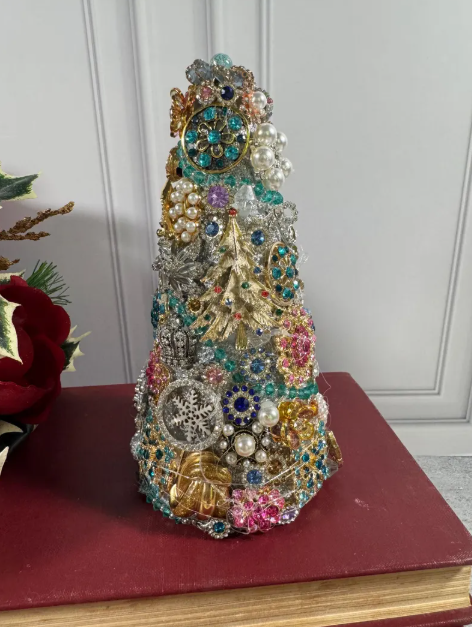
I also leaned into my creative side. I started making collages and junk journal/scrapbook kits. I also started making driftwood flower arrangements, driftwood candleholders, jeweled tabletop Christmas trees created from vintage brooches, and products to inspire writers. I buy and resell vintage or interesting books. Once I let loose, it all just started happening. I gave myself permission to make and try anything. And it turns out I’m pretty good at it.
My latest endeavor is a line of shirts and sweatshirts for writers and readers in a section of Etsy called The Book Foundry. These are not the same tired sayings. I come up with things that speak to me as a reader and writer. Mugs, totes, and notebooks are coming soon. I’m really excited about this!
I had an idea to play off the boo basket trend where people leave anonymous, Halloween-themed baskets on a friends’ porches by making what I call boo(k) baskets for Halloween. You’ve been (Sh)Elfed baskets for the holidays are next.
With so much going on, how do you organize your time?
I ship orders first thing in the morning. Then I do my editing and coaching client work. The rest of the day is whatever I want to do that day. Maybe I go shopping. Maybe I write listings. Maybe I make art or come up with a product for writers. At this point, I’m leaning into instinct and creative flow. I’m trying to be fearless and noncritical and try new things.
I’ve never had a hard time getting work done. I am naturally a hard ass about work, and my anxiety skyrockets if I don’t stay on top of things, so it’s not an issue to get it all done. We got a puppy this summer after losing one of our dogs, and that has made it hard to focus, but it’s getting better!
What portion of your income comes outside of writing and do you foresee that changing?
Editing, coaching, and ghosting is about 70% of my income, and the vintage and creative products are about 30%. But the latter business is booming, so I expect that portion to grow. I just took a space in a local maker’s market. It’s another experiment, and we’ll see where it goes. It’s a possible off-ramp to retirement for me and my husband.
What advice would you give other writers interested earning money outside of the media business?
Follow your passions. I didn’t have a master plan. I just started doing more of what I loved, and I gave myself permission to throw things at the wall and see what stuck. It just kind of happened.
When did you join ASJA and why?
It was a million years ago, back when I was writing a lot of traditionally published books and building my freelance career. I wanted the prestige of belonging, and I wanted to learn from the experienced writers who were members. I’m so glad I joined.
What’s the ASJA benefit you appreciate the most?
Honestly, it was ASJA’s pennies-on-the-dollar magazine discount program, but that’s gone. I have been to one in-person conference and lots of virtual conferences, and I always find those to be so helpful. Getting to connect with other writers is a huge benefit as well.
Anything else you’d like to share?
The lesson I keep learning in life is that change can be hard, but it’s necessary. This was a huge shift. It’s taken a while to get my feet under me. But I love that I’m not sitting at my computer all day.
I also want to say that for me, my identity was very wrapped up in being a writer. But I’m finding I can be that and more at the same time. Don’t limit your ideas of who you are.
**
Michelle Rafter is a Portland, Oregon, journalist, editor, ghostwriter, and writing coach. She’s an ASJA board member and head of the organization’s publications committee. Connect with her on LinkedIn here.