
Everything You Need to Know About Writing for Non-Corporate Entities

This article was written by one of the dozen independent journalists who received scholarships to the 2026 ASJA conference.
All content writing shares some similar traits and expectations, but writing for nonprofits, schools, think tanks, and other non-corporate entities is its own special universe.
As a long-time staff marketer and public relations professional for nonprofits, I know these organizations can be rewarding but challenging places to work; many are understaffed, poorly led, or volunteer-driven. Staff often wear many hats and can’t always get clarity on directives or ownership.
For those reasons, nonprofits can benefit from working with outside writers, while freelancers can feel good about contributing to mission-driven work without getting fully immersed in the day-to-day issues.
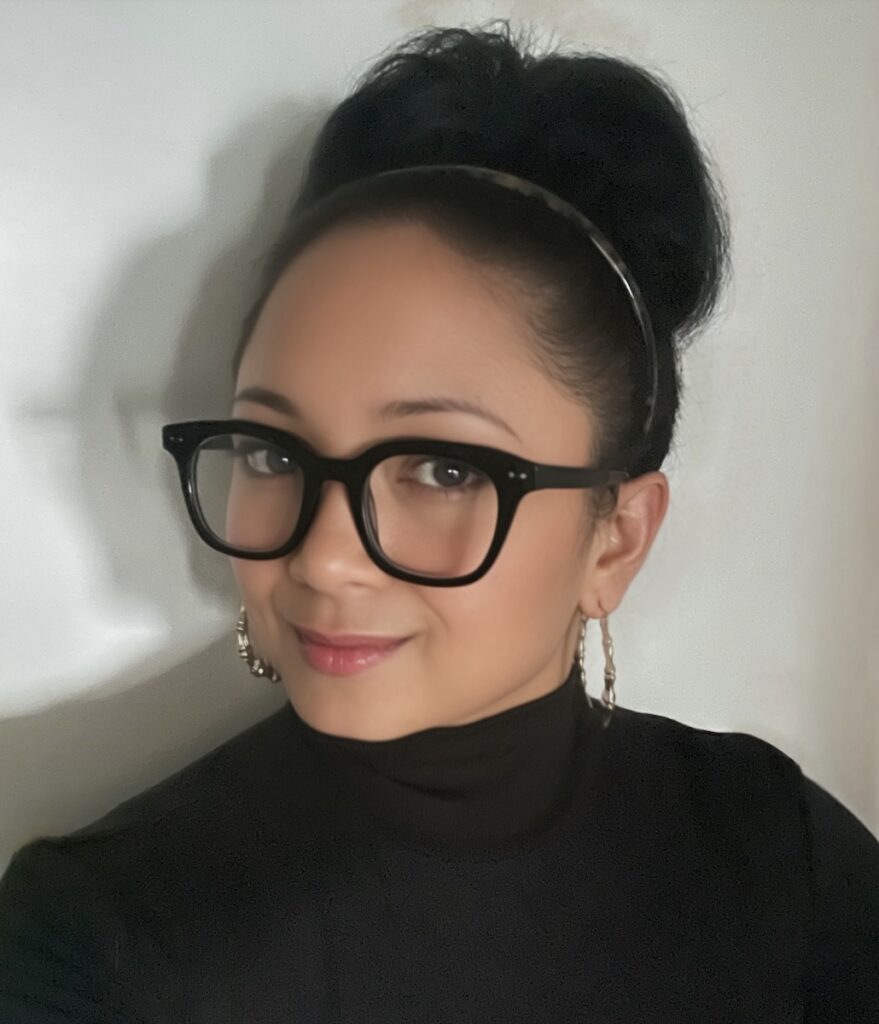
“Mission driven work appeals to me as a way to support causes I believe in,” said ASJA Vice President Gabrielle Gayagoy Gonzalez, speaking on a panel on the subject at the 2026 ASJA conference.
At this session, Gayagoy Gonzalez and other freelancers who write for non-corporate entities shared their experiences and answered common questions about what the work entails.
What is a Non-Corporate Entity and What Work Do They Offer Writers?
When writers think about content marketing clients, they may picture corporations or brands. But the field also includes non-corporate entities, including some typically well paying clients such as:
- Think tanks
- Professional associations
- Cultural institutions
- Advocacy groups
- Other mission-driven organizations
Organizations need writers for a variety of content, including:.
- Annual reports
- Website content
- Blog posts
- Email and print newsletters
- Whitepapers and speeches
- Social media content, including LinkedIn posts
- Donor communications, including letters and fundraising campaign mailings

Sometimes, non-corporate entites can’t afford a fulltime marketing person, so freelancers with strong writing skills are even more valuable because they can do work that in-house staff might not have the skills or time to do themselves.
“The work is really intellectually engaging,” said KJ Bannan, an ASJA board member, journalist, content strategist, editor, and storyteller. Writing for non-corporate entities lets her do something “emotionally meaningful that is aligned with my personal values,” Bannan said.
Some agencies need freelancers who can edit long papers or turn them into other types of content. Bannan gave the example of a freelancer who made $10,000 a month writing blog posts from information from longer reports.
Organizations may also need writers to work on donor outreach or annual reports, she said. “Even if you’ve never done one, look at those kinds of communications and figure it out.”
How Do You Find Non-Corporate Entities or Agencies That Work With Them?
According to the speakers, there are numerous ways to find agencies that work with nonprofits, schools, and other non-corporate entities:
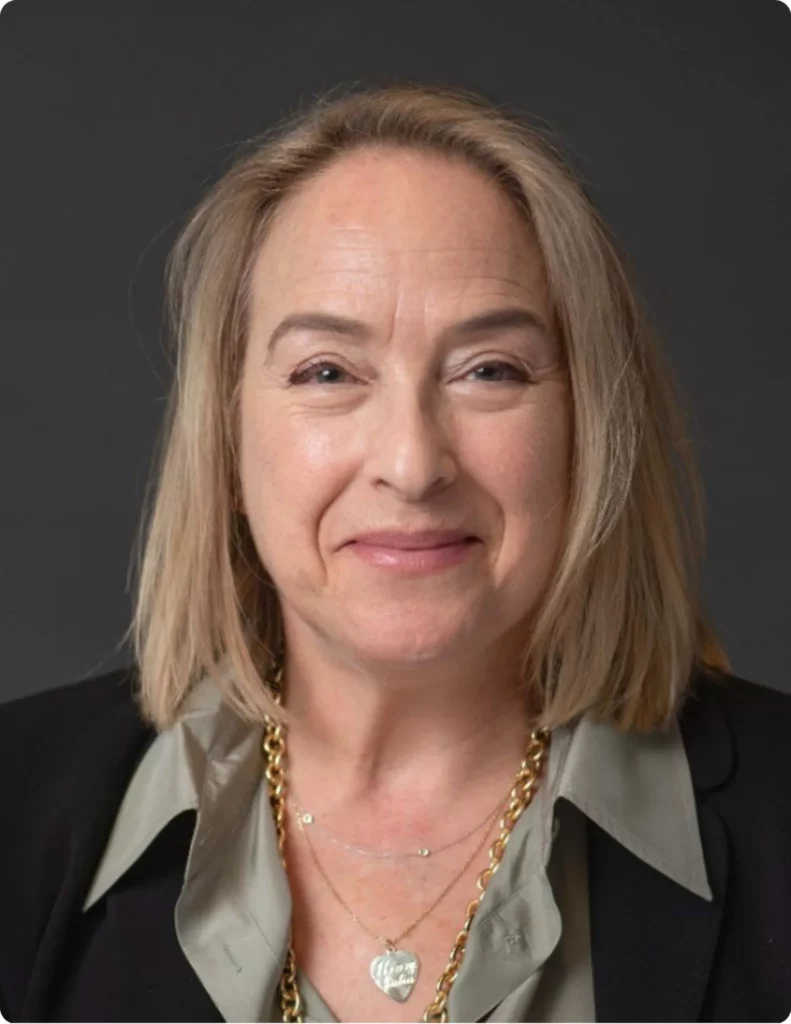
- Do a Google search for agencies that represent nonprofits and mission-driven organizations. “There are lots of boutique agencies that don’t have huge budgets but can hire contract writers,” said Emily Rogan, a strategic communications leader who helps clients achieve mission-driven outcomes.
- Nonprofits and corporations may have foundations tied to their brands, both of which represent other possibilities to explore for freelance work. Use sites such as the Charity Navigator searchable nonprofit data to find well endowed foundations that take in a lot of money so they also have money to spend on contract writers. Other resources speakers recommended for finding nonprofits: American Charities, Forbes — America’s Top 100 Charities, Ford Foundation Grants Database (2006-present), Public Policy Think Tanks in the US, and Rockefeller Foundation Initiatives.
- Search association directories, such as the National Association of Community Colleges or American Bus Association. Check out what existing content is on members’ websites before doing any outreach.
- PR agencies that do work for non-corporate entities are also potential clients. Rogan suggests looking on LinkedIn for agencies that are looking for freelancers to do content work for nonprofits and the like.
- Digital health and mental health companies work with insurance providers that may need content. Follow the companies on LinkedIn to track what they share.
- Networking! Bannan spends about 20 minutes a day on LinkedIn reading and commenting on people’s posts. Rogan recommends tapping into your existing network and the writers you know. “I get a lot of work through relationships with certain writers,” she said. “Utilize larger agencies as well as they might have smaller brands within them.”
- Consider volunteering. To open doors for future work, Gayagoy Gonzalez suggests volunteering for an organization, or going through a specific program.
What’s the Best Way to Introduce Yourself?
Speakers recommended using multiple strategies to connect with prospective clients and ask for work, including sending letters of introduction (LOIs) through LinkedIn or email, emphasizing your specialties, and if you get a project, being a problem solver and easy to work with.
Gayagoy Gonzalez encourages writers to try different formats to reach prospective clients, including LinkedIn, email, or even a quick phone call if they’re open to it.
Rogan isn’t afraid to be bold on LinkedIn. “I’ve found it to be an invaluable resource for making those kinds of connections, like writing an email with a good pitch or short LOI, e.g. ‘Here’s a link to my LinkedIn, my website and I would love to chat about your needs,’” she said.
She recommends studying prospective clients to understand their specialty and needs, and then matching how you describe yourself in any introductory solicitation to it.
Think about what’s important to that organization and ways you might assist their workload and mission, Gayagoy Gonzalez said. “Above all, make a great connection and be a fun and nice person to work with,” she said.
Getting work takes persistence and follow-up. “Reaching out once and not having somebody answer is not a no,” Rogan said. “People are crazy busy and many are doing more with less.” She suggests contacting a potential client a minimum of three times before deciding that they’re just not going to answer you. “It is a long game and it’s really important as most people will say thank you for just following up,” she said.
Should Freelancers Be Concerned About Nonprofits’ Shrinking Budgets?
Funding swings happen to non-corporate entities as well as to companies. If you freelance for an organization that is going through a budget crunch, check in regularly but don’t abandon them completely, even when you have a stretch of time where you aren’t getting any business from them, Gayagoy Gonzalez said.
Funding crunches can be an opportunity to pitch helping create materials such as a blog post or email fundraising campaign, Rogan said. “It’s a minimal amount of spend (to) target audiences to drive revenue,” she said.
A limited budget can be an opportunity to try new things, Rogan added. Startups typically don’t have a lot of money but may have enough to hire someone on a project basis. If you’re pitching such an entity, come into a meeting with ideas for writing and content strategy so they know what it would be like to work with you. “Be the person who has the solutions,” she said.
Bannan scans Forbes’ articles on top new startups and then checks LinkedIn for the people involved who she could pitch. She also suggests looking at Reddit for interesting nuggets about companies or things people are talking about.
What Else Should Freelancers Know?
Speakers offered a few miscellaneous words of wisdom for writers considering working for non-corporate entities:
- About half of nonprofits use freelancers for editing as well as writing.
- Some associations require people to become members before they’ll work with a freelancer, to ensure that the writer knows their audience, complexity, and voice. In such cases, you could negotiate getting your membership fee covered as partial payment of your fee.
- Be prepared for drafts to need more approvals, Bannan said. “You’re going to have to talk with several factions and the process will be slow during the edit process. You’ll deal with people who have very little editorial experience and they might try to rewrite. You need to have a lot of tact,” she said.
- Do your due diligence before signing a contract to see if the nonprofit has a friendly or toxic work environment.
Rogan added, “Above all, be bold, don’t censor yourself and see what sticks!”
**
Catherine Seiberling Pond has contributed feature articles and personal essays on design, history, memoir, travel, and country living to magazines, blogs, and newspapers. Writing during and around her work for cultural nonprofit organizations, she has also published several books, including The Pantry: Its History and Modern Uses [Gibbs Smith: 2007]. She is a regular contributor to RethinkRural, a blog on rural living from Raydient Places + Properties, and is writing a memoir that reflects upon her grandparents’ back-to-the-land experiences in New Hampshire with perspectives from her family farm in Kentucky. She has degrees in art history and English literature from Wheaton College, and a masters in historic preservation studies from Boston University. For more information: CatherinePond.com and LinkedIn.