
Wendy Haaf

Wendy is an award-winning independent health/science writer whose work has appeared in Mind Over Matter, Good Times, Canada’s History, Today’s Parent, Chatelaine, the Globe and Mail, Hospital News and WebMD, among others. She has also written for non-profits, academic institutions, and hospitals, including BrightFocus Foundation, the Canadian Digestive Health Foundation, University Health Network, and Western University’s School of Medicine and Dentistry.

Some of the topics Wendy has covered extensively include brain health, Alzheimer’s, dementia, age-related macular degeneration, diabetes, cardiovascular health, and arthritis.

info Subjects

General

Health & Medicine
Lifestyle
Science
Wellness
Fitness & Nutrition

notepad Skills

  • Annual reports
  • Advertorials
  • Articles
  • Blog posts
  • Case studies
  • Content marketing
  • Editing
  • Feature writing
  • News releases
  • Profiles
  • Q&A
  • Web copy
  • Ghostwriting

notepad Writing Credits

BrightFocus Foundation, Canadian Living, Chatelaine, Good Times, Globe & Mail, Mind Over Matter (Women’s Brain Health Initiative), National Post, Today’s Parent, WebMD, IG Wealth Management, Western Alumni Gazette, Royal College of Physicians and Surgeons (Canada) newsletter.

star Awards, Honors, Appointments

National Magazine Awards (Canada)

  • Gold (Service & Family) — 2003. Today’s Parent, Safe Streets, Safe Kids supplement (bike helmets, vehicles, walking, getting to school).

Society of Obstetricians and Gynaecologists of Canada Journalism Awards for Excellence in Women’s Health Reporting 

  • Honourable Mention — 2011. Today’s Parent Pregnancy, Induction Overload.

National Mature Media Awards (US)

  • Gold — 2006. Good Times, How to Keep Driving Safely.
  • Gold — 2006. Good Times, Live Longer—Stop Smoking.
  • Silver — 2006. Good Times, The Greatest Gift (Organ Transplant).
  • Bronze — 2006. Good Times, Morning Stiffness.
  • Silver — 2005. Good Times, Arthritis Research.
  • Gold — 2004. Good Times, After the Stroke.
  • Gold — 2003. Good Times, Pain Management.
  • Silver — 2003. Good Times, Santa’s Having His Annual Physical.
  • Silver — 2002. Good Times, Difficult Diagnosis. 
image

How Heart Disease Threatens Women

Magazine health feature for people 55+. While women fear breast cancer, we’re five times more likely to die of heart disease. This article explains risk factors unique to women (including a history of certain pregnancy complications), how they can reduce the likelihood of developing heart disease, and how to recognize symptoms of a heart attack.


Read
image

Spinal Muscular Atrophy is No Longer the Life-Limiting Disease it Once Was

Sponsored content feature that appeared in a national (Canadian) newspaper. Not long ago, children born with the most severe form of this disease died before age two, having never been able to sit, speak, or even eat like other kids. This article explains how a new generation of treatments has changed the outlook for children with this genetic disease, through the story of one family.

Read
image

Too Young to Forget: Childhood Dementia


Article for a non-profit. While rare individually, when looked at collectively, a group of inherited childhood diseases that cause dementia-like symptoms and ultimately death, is roughly as common as cystic fibrosis. This article explains what is known about the causes of some of these diseases, as well as the strides one researcher has made towards finding treatments for one of these heartbreaking conditions.

Read
image

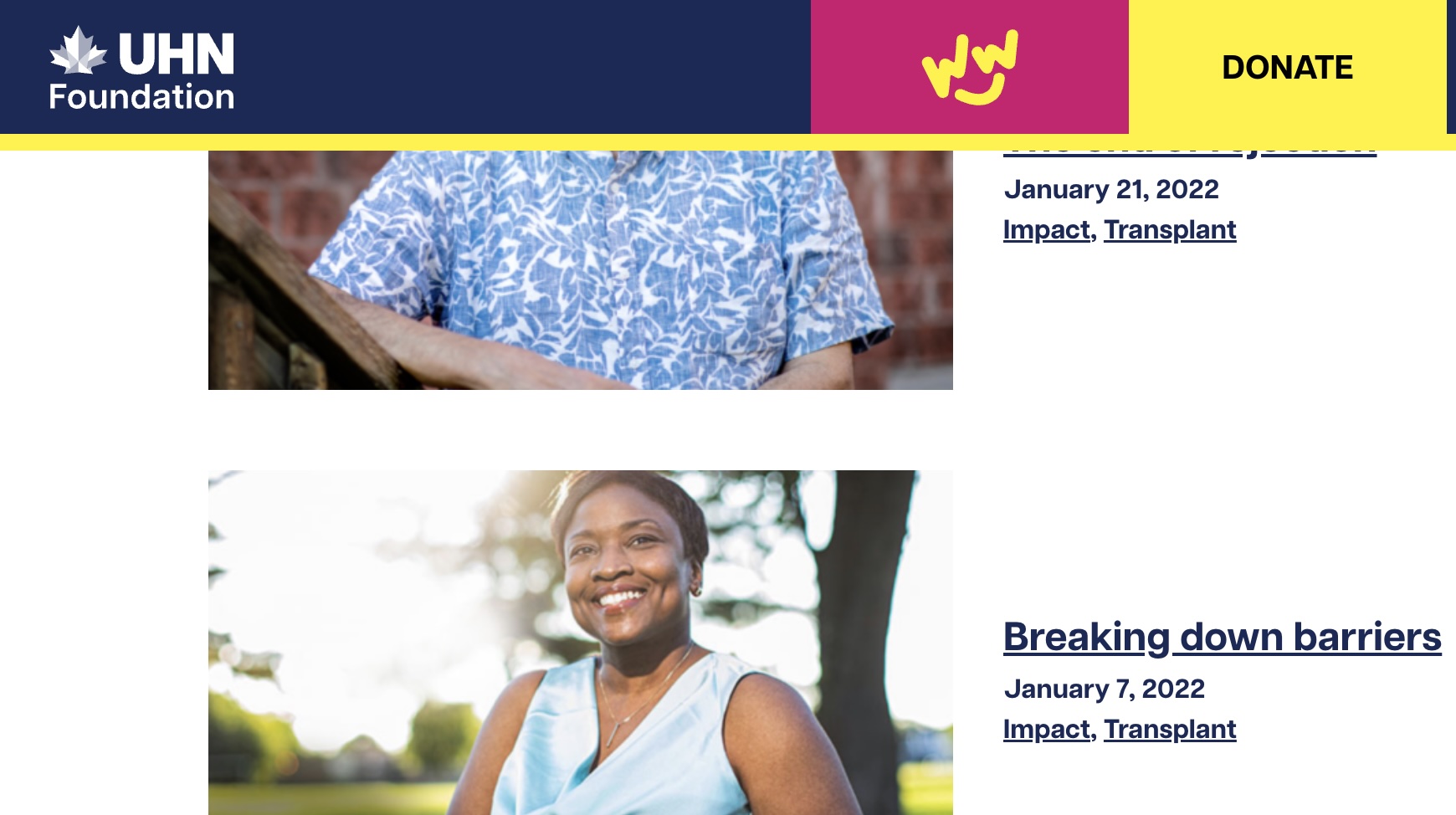
Breaking Down Barriers

Sponsored content for a hospital system. This article explains that members of racialized communities have a harder time finding organ donors, and what one leading Canadian hospital is doing to change that.

Read
image

A Plan for Balancing Independence and Safety for a Loved One Living With Dementia

Blog post for a Canadian charity. This piece explains what a wandering plan is, and how it can help improve the likelihood of a safe return when someone with dementia or Alzheimer’s disease goes missing.

Read
image

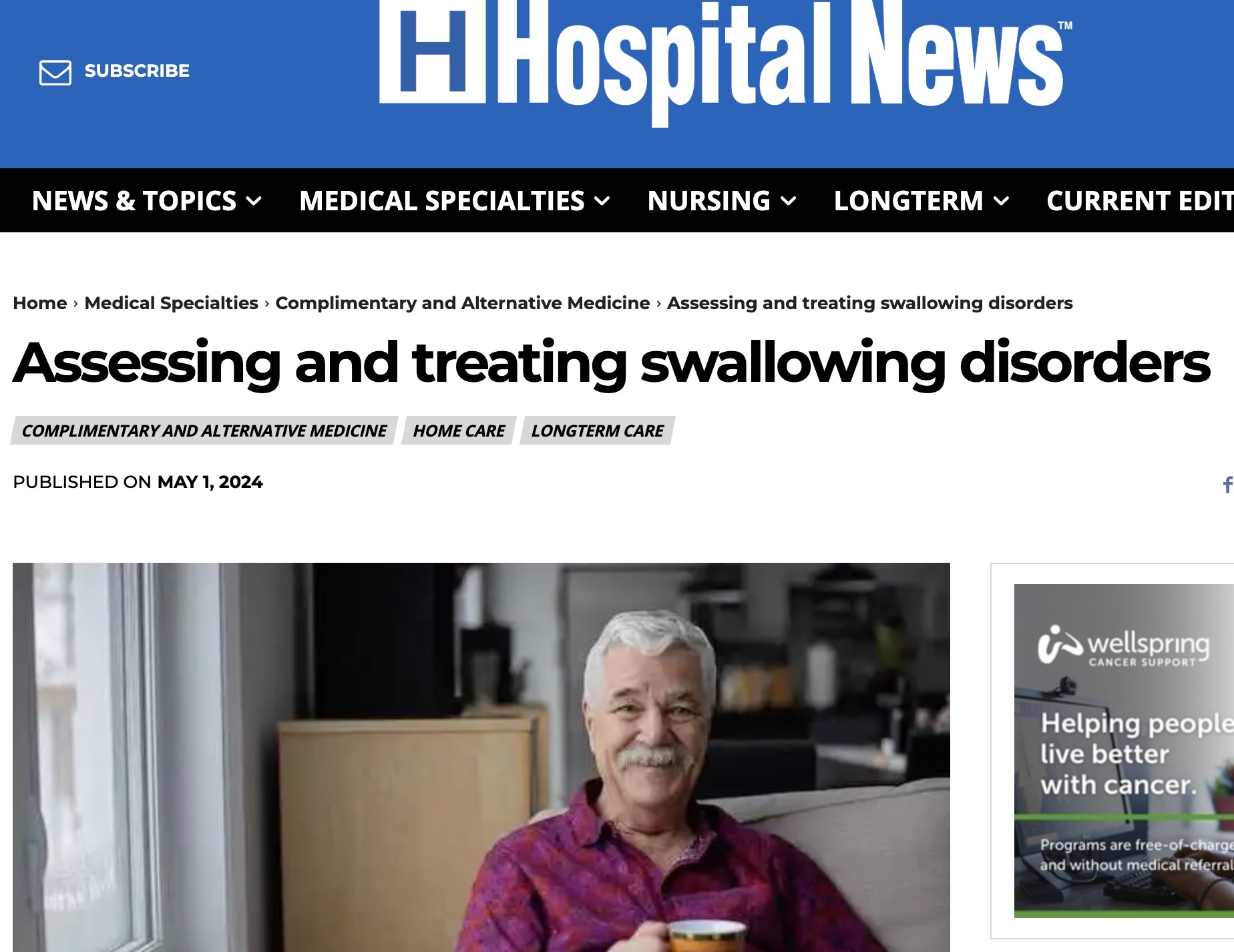
Hard to Swallow

Sponsored content for a hospital system. Eating is a pleasure that's denied many people with swallowing problems. These life-altering conditions are known medically as dysphagia, and they're very common, affecting an estimated 10 to 13 percent of people over 45. This story outlines the impact dysphagia had on one man's life, and how a speech-language pathologist/scientist is working to improve the assessment and treatment of swallowing disorders.

Read
image

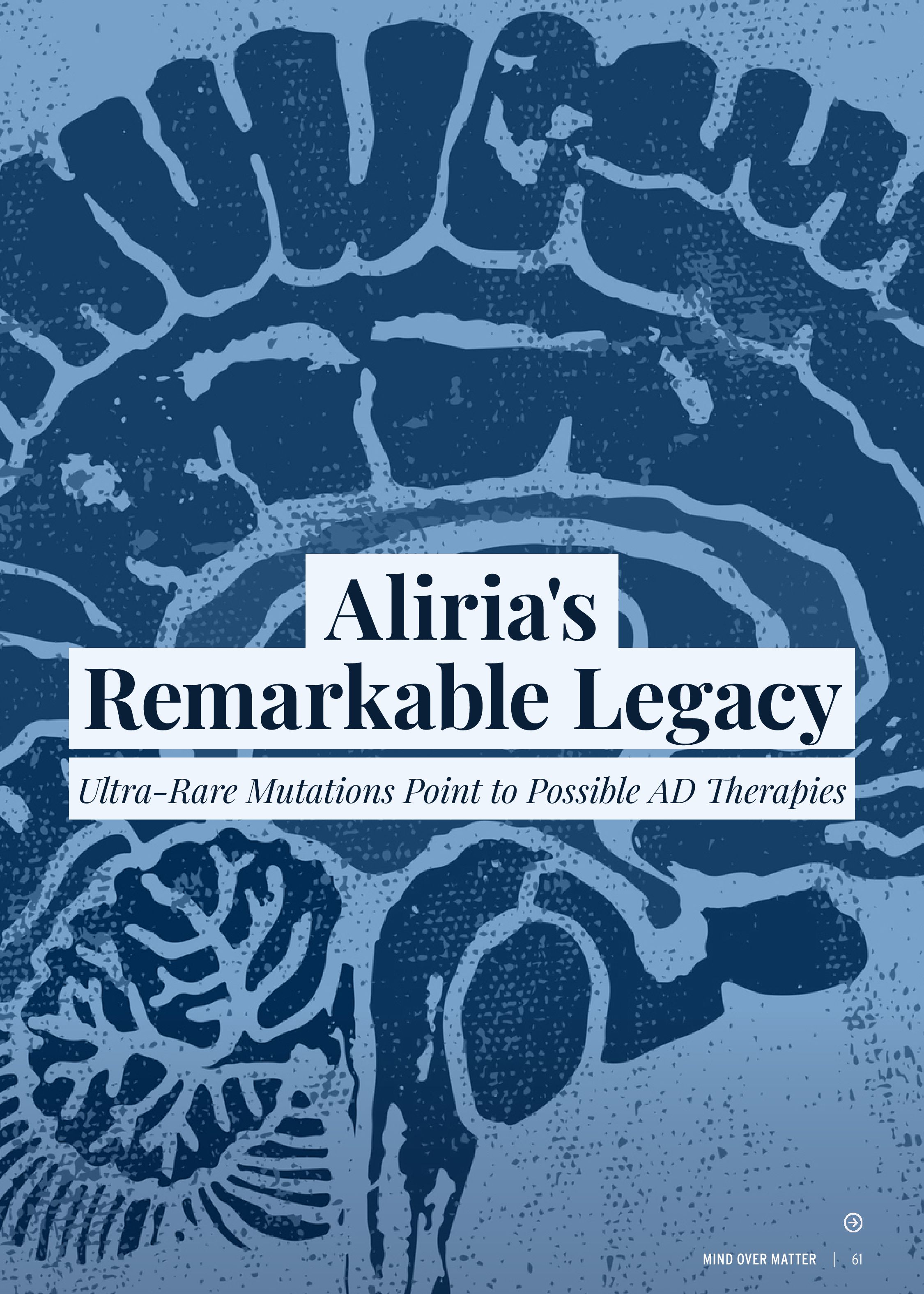
Aliria's Remarkable Legacy: Ultra-rare Mutations Point to New Alzheimer's Therapies

Health feature for a charitable non-profit. In 2017, researchers who had been studying a Colombian family with a genetic mutation that causes early-onset Alzheimer’s disease (AD) discovered that one family member in particular had defied this genetic fate. While relatives with the mutation developed mild cognitive impairment in their early 40s, and Alzheimer's disease by around age 50, Aliria Rosa Piedrahita de Villegas remained cognitively normal into her 70s. This article explains how the researchers unravelled the secrets of this woman's remarkable brain, and why their findings could point the way to new ways of preventing or treating AD. 


Read
image

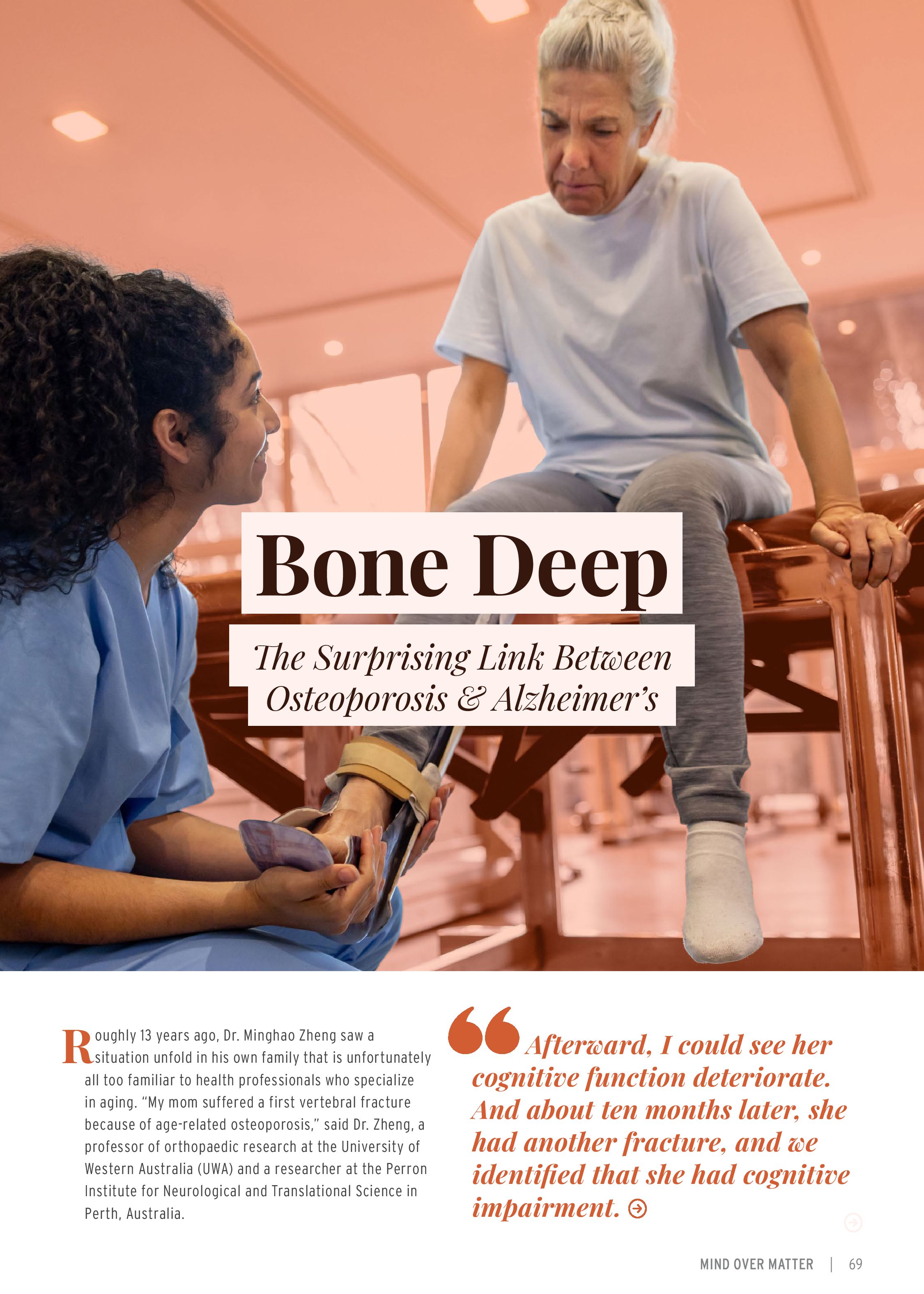
Bone Deep: The Surprising Link Between Osteoporosis and Dementia

Feature for a non-profit. Physicians who specialize in caring for older adults have long known that people with Alzheimer’s disease commonly develop osteoporosis and vice versa. It was generally thought that this was due to the fact that age is a major risk factor for both diseases. Recently, however, some researchers have been unravelling how the biology of the two diseases might be related. This article outlines some of their findings.

Read
image

Turning Back the Biological Clock on Aged and Injured Eye Cells

Sponsored content for a charity that funds medical research. This piece explains the work of Dr. Shintaro Shirahama, who is studying an epigenetic reprogramming technique that could potentially restore eye cells that play a key role in macular degeneration to a youthful, healthy state. This de-aging method could help stop the disease at an early stage, preventing vision loss. Age-related macular degeneration (AMD) is the leading cause of severe vision loss among people 50 and older.

Read
image

Plant-Based Milks and Your Diet

Magazine column for people 55+. Just how healthy are plant-based alternatives to cow's milk? The nutritional value of these products can vary significantly, depending on the type, and brand. This column explains how the various options stack up.

Read

Contact Wendy Haaf

Have a project or work opportunity you’d like to discuss?
Send a Message