
How to Fight Book Bans
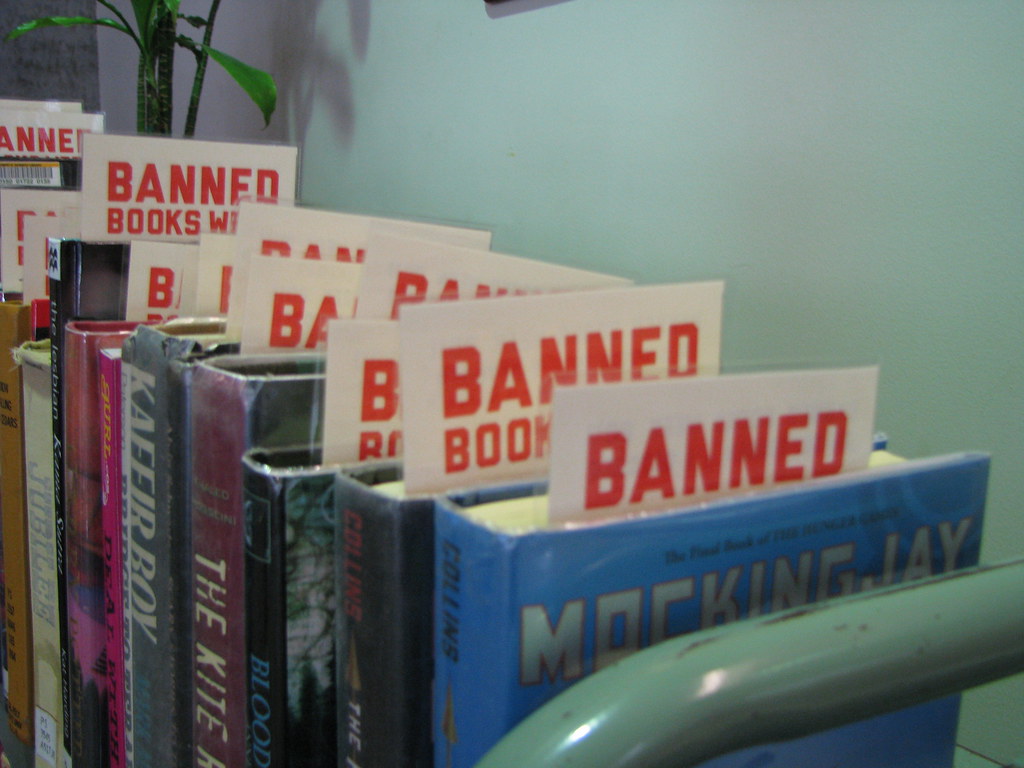
During a recent ASJA webinar, authors and publishing industry representatives discussed the rise of challenges to books in public and school libraries, the impact on authors and readers, and what authors and the public can do to promote the freedom to read. (The recorded webinar is now available for replay at no cost.)
The October 6 webinar, organized by the ASJA’s First Amendment Committee, coincided by Banned Books Week. ASJA member Judah Freed moderated the panel, which featured:
- ASJA member Alisa Bowman, ghostwriter and co-author of banned book Raising the Transgender Child: A Complete Guide for Parents, Families, and Caregivers;
- Dominique Cimina, Senior Vice President of Publicity, Corporate Communications & Author Brand Strategy for Random House Children’s Books;
- ASJA member Robert Lerose, author of Silencing Voices: Book Bans, Cancel Culture, and Other Forms of Censorship;
- Philomena Polefrone, Senior Manager of Freedom to Read at PEN America; and
- Rosie Stewart, Senior Manager, Public Policy at Penguin Random House.
Polefrone cited a report by PEN America that counted nearly 12,000 books banned in U.S. public schools during the 2025-2026 academic year, the highest number the organization ever recorded. “This number is almost too big for me to fathom,” she said, noting that authors’ livelihoods can take a hit when their books are banned.
Still, authors might not even know about book bans or experience direct financial consequences of them. When a school or library bans a book, “It’s not like they call and tell you, ‘We’ve banned your book,’” said Bowman.
Even so, these bans limit the breadth of stories available to the public. “I think that what this is fundamentally about is, and it’s crazy how the book banners don’t see the symmetry of this, [is] are we only going to be allowed to tell one story because of who it might make uncomfortable,” said Stewart. “The library is supposed to exist as a repository for information for the entire community.”
Panelists also described what Cimina called “silent censorship,” in the form of canceled author events, pressure on teachers and librarians, and books removed from or not purchased by libraries even without formal challenges.
Practical takeaways
The panel offered practical advice for both writers and readers who are concerned about book banning. “I would say to make your voice heard, and being that many of us are writers here, and the ASJA is journalists and writers, that the pen can be sometimes quite mightier than the sword,” said LeRose. For example, he recalled writing a letter to the editor after the U.S. Naval Academy removed hundreds of books from its library in response to a directive from Secretary of Defense Pete Hegseth. Speakers encouraged writers to pitch and write articles on aspects of book banning from local angles.
Freed cited a statistic from the American Library Association that more than 90% of book challenges in 2025 were initiated by political pressure groups and decisionmakers swayed by them rather than individual objections or grassroots efforts. Bowman illustrated this phenomenon, recounting her experience as a school board member fielding book challenges by “a very small group of people who were clearly not actually reading the books” but were drawing from book lists compiled by pressure groups.
To counter the widespread use of tactics like book lists, panelists recommended telling personal stories and relating to would-be book banners on an individual level. “When you tell a personal story about how something’s affecting you, it really makes an impact,” said Bowman.
Other recommendations included:
- Joining professional associations and freedom-to-read groups to learn about current developments. Stewart recommended Every Library and the American Library Association, as well as local organizations that can speak to community developments.
- Using public-information requests to investigate book removals that may not be publicly reported, particularly if it’s possible to tie book removals to specific laws.
- Supporting access by thanking librarians, donating books, and asking bookstores to stock challenged titles.
Finally, the panel encouraged authors facing challenges to contact their publishers and professional support networks. Depending on the situation, publishers and other organizations can provide writers with resources including personal support, legal assistance, and media relations. “We stand by our authors and their books, full stop,” said Cimina.
ASJA is part of the Banned Books Week Coalition, an international alliance of organizations committed to increasing awareness about censorship attempts and encouraging the defense of the freedom to read. Launched in 1982 and taking place the first week in October, Banned Books Week highlights the value of free and open access to information and brings together the entire book community in support of the freedom to seek and to express ideas. The 2026 theme was “Let Books Be—Protect the Freedom to Read.”
Watch the recorded webinar here.
**
Suzi Morales is a writer, editor, and erstwhile intellectual property attorney who covers graduate-level higher education, law, and legal tech. She is also a member of the ASJA First Amendment Committee. Learn more about her at www.suzimorales.com.
(Main image via Flickr)
