
Meet the Member: Randy Stapilus on Preserving Self-Government, Chronicling the Pacific Northwest, and Building a Lasting Writing Career

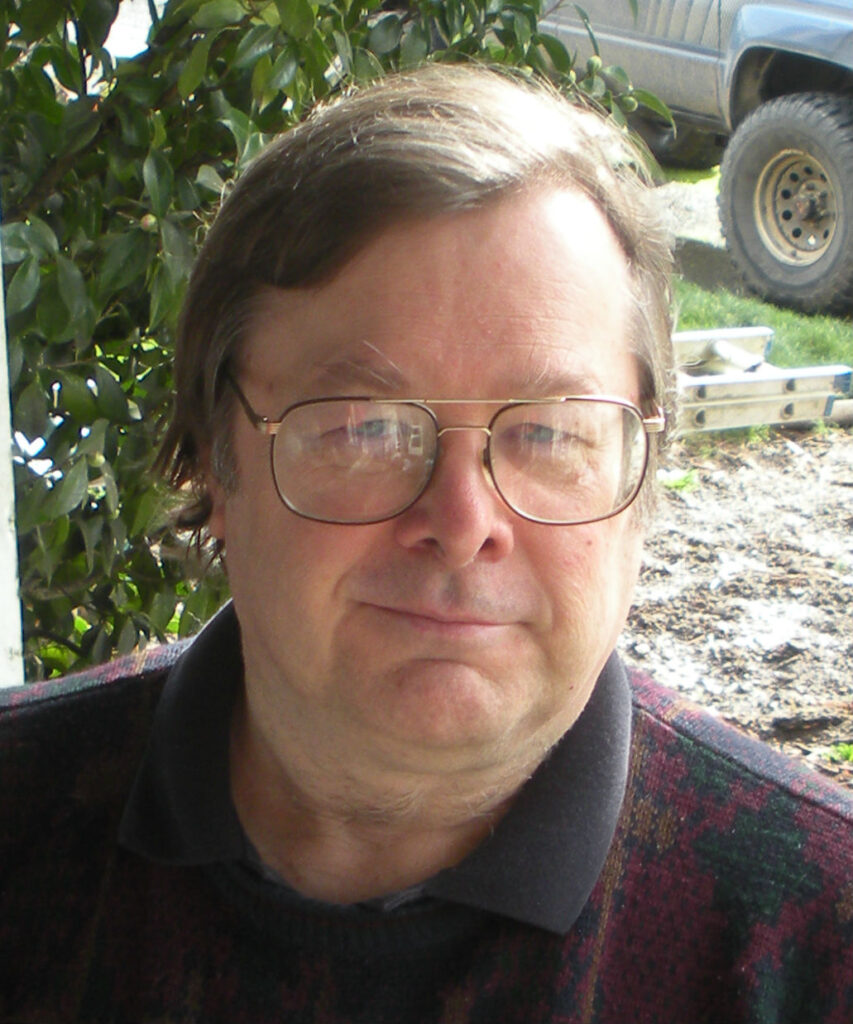
Randy Stapilus has spent nearly five decades covering the politics, people, and public affairs of the Pacific Northwest, building a career at the intersection of journalism and history.
After beginning his reporting career in Idaho in 1976, he went on to cover state politics for major regional newspapers before founding Ridenbaugh Press, which has published books on politics, history, and other regional subjects since 1988. He continues to write about Oregon and Idaho politics, including commentary for the Oregon Capital Chronicle, while publishing other authors’ work and exploring how the two neighboring states have followed such different paths.
A longtime ASJA member and co-founder of its Pacific Northwest chapter, Stapilus reflects on the value of regional reporting, the evolution of publishing, and what it takes to sustain a writing career through decades of change.
You’ve spent decades reporting on politics and public affairs across Oregon, Washington, and Idaho. What first drew you to political journalism, and how has your approach to covering the region evolved over the course of your career?
Before I got into journalism, I loved reading (and even writing, after a fashion) history; it’s still the largest single chunk of my book reading. Political journalism is a way of researching and writing, as they say, a first rough draft of history — and you get to see it happen. Some people are drawn to journalism in Washington D.C. for those reasons; I liked the state level where you could see it up close and at a more granular level, and without 10,000 other people trying to do the same thing. The problem now is that state reporting has declined to the point that only a few people do it at all.
You’ve worked as a newspaper reporter and editor, an author, and a publisher through Ridenbaugh Press. What prompted you to move into book publishing, and how has that experience changed the way you think about writing, editing, and bringing other authors’ work to readers?
My work with books grew out of my newspaper work; it was a way of writing at greater length and in different ways about the things I had been following in the newsroom. The process and skills related to publishing I picked up along the way turned out to be useful to other people as well, and I’ve published about as many books by other people (maybe more) as I have written myself. In both cases, I’ve deliberately approached the work on a smaller scale, for smaller, regional audiences (although, obviously, all readers everywhere are welcome!).
Your current commentary for the Oregon Capital Chronicle covers everything from election dynamics and public policy to regional economic and social issues. What do you see as the biggest political challenge facing our society today?
I could say it’s preserving politics — preserving our system of self-government, in which too many people have lost confidence. A lot of the reason is a seriously battered and fractured approach to informing people about what’s going on, why things work and why they don’t, which can provide the means for combating our pervasive cynicism. Not to say that this will be easy to do.
You’ve built a long career working across different publications and formats while also publishing books. What have you learned about sustaining a writing career over the long term, particularly as the publishing and news industries continue to change?
Keeping a look ahead to where changes will be coming next is surely a part of it. The internet brought us — brought me — both problems and opportunity. We can only be sure that things will change. When I entered the newspaper business in the mid-70s, I assumed — as I think most people then did — that the industry would remain solid through my lifetime. But change happens.
For writers who want to build a body of work, develop lasting relationships with editors and publishers, or establish expertise in a particular subject, what lessons from your own career would you most want them to take away?
I don’t think there’s any one single path, because there are so many kinds of expertise and so many kinds of relationships. (For me, they led to book projects published by other and larger publishers in addition to myself.) Thinking about building in a consistent way for a long haul probably would help. The fact that I’ve been writing about Idaho for more than 50 years and about Oregon for about 30, developing expertise and people who keep me informed and can help with the public side of my work, surely has helped.
Is there anything else you would like people to know about you or your work past, present, or future?
There are always new projects and new ways of looking at what you’re doing. I’ve spent a long time writing about the politics and society of Idaho, and about politics and society in Oregon. Now, bearing in mind how different those two adjoining states are (and they are very different), I’ve been working on a book about how and why they took their divergent paths, and where that might go in the future.
When and why did you become an ASJA member?
I believe the year was 2008, and around that time I was focusing more (than I am now) on general freelance writing. ASJA was a good resource for me.
What’s the ASJA benefit you appreciate the most?
I was one of the founding members of the Pacific Northwest chapter, and we’ve been meeting regularly – in person at first, now online – most months for the last seven or eight years. ASJA has quite a few helpful features, but those personal meetings and connections top the list.
***
Cat DiStasio is a freelance content marketing writer and journalist based in Oregon. Her content work focuses on working with growing brands on human resources technology, trends, and research. She is a former HR practitioner and technical recruiter who has tracked workplace tech trends for more than 20 years. Connect with her on LinkedIn or visit her portfolio.